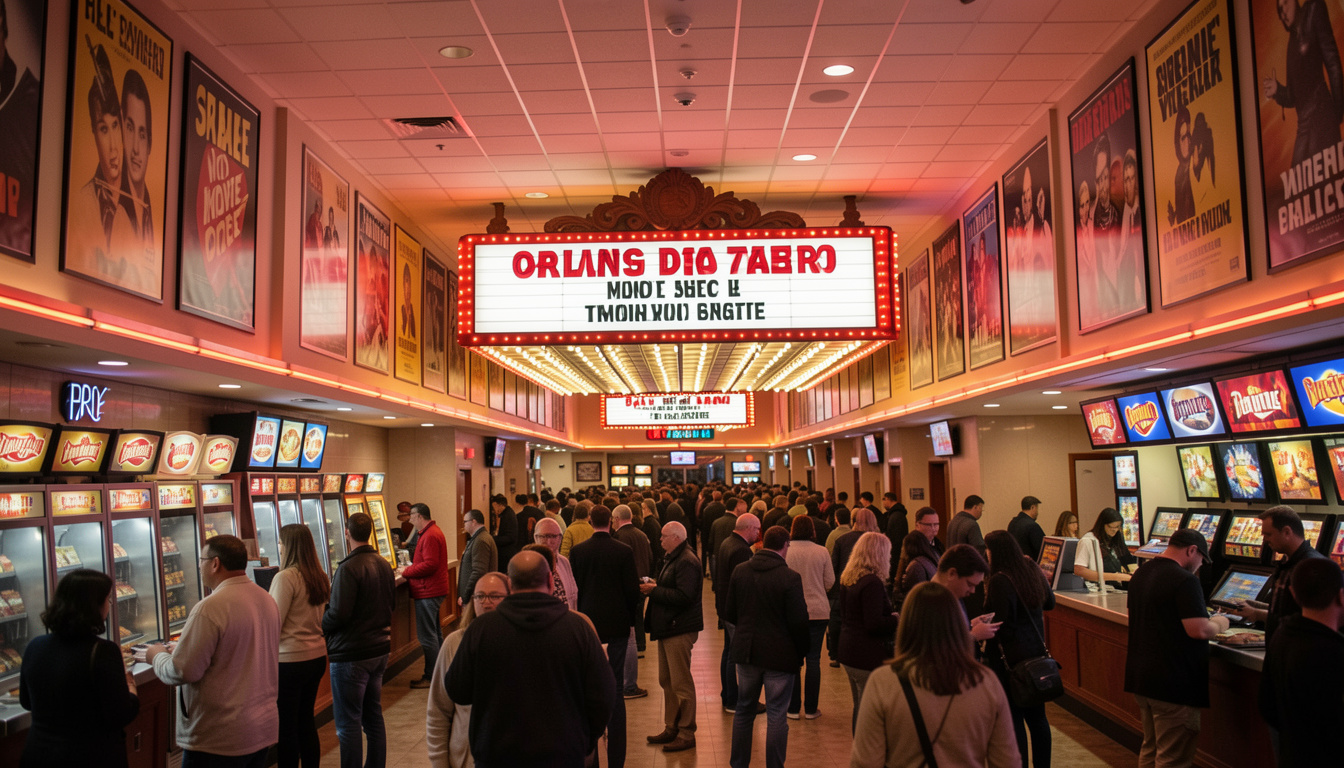
Movies Theaters
Movies theaters have been an integral part of popular culture for over a century. They offer a unique experience that combines storytelling, visual artistry, and communal engagement. While home entertainment options like streaming services have gained immense popularity, movies theaters continue to hold a special place in the hearts of movie enthusiasts worldwide. Their ambiance, sound systems, and large screens create an immersive environment that home setups cannot fully replicate.
History of Movies Theaters
Movies theaters, also known as cinemas, first emerged in the late 19th century. The earliest theaters were small, simple spaces where audiences would gather to watch silent films. With the introduction of sound in films during the 1920s, theaters evolved to accommodate new technologies. The golden age of cinema in the 1930s to 1950s saw extravagant movie palaces with ornate interiors and luxurious seating. These theaters were not just places to watch movies; they were cultural landmarks where people experienced entertainment in a grand, communal setting.
Modern Movie Theater Experience
Modern movies theaters have transformed dramatically from their early days. Today’s cinemas offer digital projection, 3D and IMAX screens, and advanced surround sound systems that make every film visually stunning and audibly immersive. Beyond the technological advancements, many theaters now provide reclining seats, gourmet snacks, and even in-theater dining options to enhance the overall movie experience. The design and layout of modern theaters prioritize comfort and convenience, ensuring audiences can enjoy films without distractions.
Types of Movies Theaters
Traditional multiplexes dominate urban areas, providing multiple screens under one roof to showcase a wide variety of films simultaneously. Art-house theaters focus on independent and foreign films, catering to audiences with niche tastes. Drive-in theaters, though less common today, offer a nostalgic outdoor movie experience where audiences can watch films from the comfort of their vehicles. IMAX and 4DX theaters provide enhanced visual and sensory experiences, incorporating large-format screens, motion seats, and environmental effects like wind, water, and scents to immerse audiences in the film.
The Role of Movies Theaters in Communities
Movies theaters often serve as social hubs, bringing people together for shared entertainment experiences. They foster cultural exchange by screening films from different countries and genres, allowing audiences to explore diverse perspectives. Theaters also contribute to local economies by generating employment opportunities and attracting visitors to nearby businesses. Film festivals, special screenings, and premieres hosted by theaters further enhance community engagement, creating spaces where audiences and filmmakers can interact and celebrate cinema.
Advantages of Watching Movies in Theaters
Watching movies in theaters offers several advantages over home viewing. The large screens, high-quality sound, and immersive visuals create an unparalleled cinematic experience. Audience reactions, laughter, and gasps add an extra layer of enjoyment, making the experience more interactive. Theaters also encourage viewers to disconnect from everyday distractions like phones and work, allowing them to fully focus on the film. Additionally, exclusive theatrical releases and premieres often provide early access to films that are not yet available on streaming platforms.
Challenges Facing Movies Theaters
Despite their many benefits, movies theaters face several challenges. The rise of streaming platforms has made it easier for audiences to watch films at home, leading to declining ticket sales in some regions. The COVID-19 pandemic also significantly impacted the industry, causing temporary closures and reduced audience capacity. High operational costs, including rent, maintenance, and staff salaries, add to the pressure on theaters to remain profitable. Furthermore, piracy and unauthorized online distribution of films continue to pose significant threats to the traditional movie-going model.
Innovations in Movies Theaters
To stay relevant, movies theaters have embraced innovative strategies. Some theaters now offer subscription-based models, allowing frequent moviegoers to watch multiple films per month at a fixed price. Technological innovations like virtual reality (VR) screenings, augmented reality (AR) enhancements, and interactive movie experiences are also emerging. The integration of mobile apps for ticket booking, seat selection, and concessions has improved convenience for audiences. Additionally, theaters increasingly focus on creating unique experiences, such as themed screenings, live Q&A sessions with filmmakers, and immersive events that extend beyond just watching a film.
The Future of Movies Theaters
The future of movies theaters looks promising despite the challenges. Theaters continue to evolve, integrating cutting-edge technology and personalized experiences to attract audiences. Hybrid models combining theatrical releases with streaming options allow films to reach wider audiences while maintaining the exclusive theater experience. As filmmakers experiment with new storytelling techniques and immersive formats, movies theaters remain a crucial venue for showcasing creative visions. The communal aspect of movie-going, the thrill of watching films on a giant screen, and the shared emotional experience ensure that theaters remain an essential part of the entertainment landscape.
Famous Movies Theaters Around the World
Grauman’s Chinese Theatre in Hollywood, California, is an iconic venue known for its celebrity handprints and movie premieres. The TCL Chinese Theatre, also in Hollywood, offers a historic cinema experience with advanced IMAX screens. In Paris, Le Grand Rex is a stunning theater famous for its grand Art Deco architecture and luxurious interiors. The Odeon Leicester Square in London is renowned for hosting film premieres and special events. Tokyo’s Toho Cinemas Shinjuku offers cutting-edge technology and premium seating, making it a favorite among Japanese moviegoers. These theaters exemplify how architectural design, technology, and cultural significance combine to create memorable movie experiences.
Conclusion
Movies theaters have evolved significantly over the past century, from simple silent film halls to sophisticated multiplexes offering immersive, state-of-the-art experiences. Despite the rise of streaming services and home entertainment, theaters continue to attract audiences with their unique combination of visual spectacle, communal atmosphere, and cultural significance. By embracing innovation, focusing on comfort and convenience, and creating unforgettable experiences, movies theaters maintain their relevance and charm. They remain not only venues for entertainment but also spaces for social interaction, cultural exchange, and shared human experience. The love for movies theaters endures because, at their core, they provide a way for people to come together, escape into stories, and feel emotions collectively—a magic that no home setup can fully replicate.
FAQs About Movies Theaters
What are the benefits of watching movies in theaters over at home?
Movies theaters offer large screens, immersive sound systems, high-quality visuals, and a shared audience experience that enhances the emotional impact of films.
How have movies theaters adapted to the digital age?
Theaters have embraced digital projection, mobile ticketing, subscription models, 3D and IMAX technology, and interactive experiences to remain competitive.
What types of movies theaters exist?
There are multiplexes, art-house theaters, drive-in theaters, IMAX, and 4DX theaters, each catering to different audience preferences and types of films.
How do theaters contribute to local communities?
They provide social hubs, host film festivals and events, generate jobs, and attract visitors, benefiting local businesses and cultural engagement.
What challenges are movies theaters facing today?
Challenges include competition from streaming services, declining ticket sales, high operational costs, the impact of pandemics, and piracy.
About the Author
